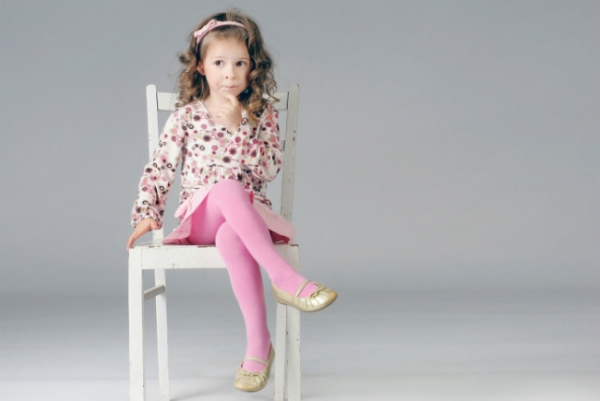
"Mommy, I don’t like this bowl. I want my cereal in a blue bowl," protested Phoebe, my youngest child. It was a hectic morning so I decided against a fight with a stubborn 3-year-old. I transferred the cereal from the orange bowl to the blue bowl and placed it in front of her.
"Mommy, how come there's only a little bit of milk?" she asked. I bit my tongue and poured more milk in haste.
"That's too much," she interjected.
"Phoebe, please just eat the cereal." I finally pleaded.
"But I don't like too much milk and little cereal. It tastes yucky,” was her explanation. After flipping a couple of pancakes and setting up the breakfast table, I poured some of the milk out and gave it back to her. I stood in front of her this time and waited for her to take a bite, daring her to make one more complaint. But after one spoonful, she pushed the bowl aside and told me she no longer wanted it. The cereal was now “too soft.”
She pointed to the pantry matter-of-factly, indicating there was more firm cereal to be had. At this point, I launched into a tirade about running late and something about starving children around the world. The delivery was jumbled and cursory at best. It made no sense to her. She remained unchanged on her position not to eat cereal that wasn’t the appropriate consistency. And since I refused to waste anymore cereal, we settled on cheese. It may not have been Swiss but it was neutral territory; the milk proportions in the cheese were already predetermined.
When exacting scenarios like this used to play out with Phoebe, I often wondered if she was conducting an experiment to see how frazzled mommy could get, testing her boundaries, as they say. I pictured her going to bed at night rubbing her fingers together with a smirk on her face. For the past year, though, her position on cereal remains unchanged. She will only eat firm cereal with the right amount of milk from a blue bowl. For Phoebe, these aren’t antics. She’s not trying to be difficult for the sake of difficulty. She is a child with high standards and confrontation doesn’t deter her from making her opinions known. For Phoebe, obedience only happens when things seem right and make sense to her.
Her stubborn character makes parenting challenging at times. But her strong moral compass for the right cereal-to-milk ratio and her will to stand by it may prove her well in the future, according to a research study.
Research shows that strong-willed children are more likely to earn higher incomes and become successful entrepreneurs. Defying authority, challenging the status quo and pushing boundaries, as it turns out, are the precise qualities necessary for start-ups to succeed.
But I don’t need to look that far ahead to see the upside of her stubborn streak if I think about it. Her willingness to stand up for what she believes in has already proven commendable. On more than one occasion, a parent has informed me that Phoebe helped a fellow classmate from being victimized by the class bully.
So maybe in light of the big picture, I can let the little things go. As a parent, of course I have to insist she listen so she doesn’t burn her hand on the stove or run into the street. There are times I want her to listen to me simply because I said so. But demanding absolute obedience would come at a hefty price. Unquestioned obedience to someone “bigger” lends itself to being susceptible to peer pressure and has even cost the lives of millions of people throughout history.
It’s not always convenient, but we want our children to listen to us because of trust — trust that comes from empathy, understanding and discourse—not from fear of punishment. As a parent, there’s nothing I want more for my child than for her to grow up to become the kind of adult who makes decisions based on sound judgment, even if that means relegating cereal from an easy breakfast food to an intricately prepared meal.