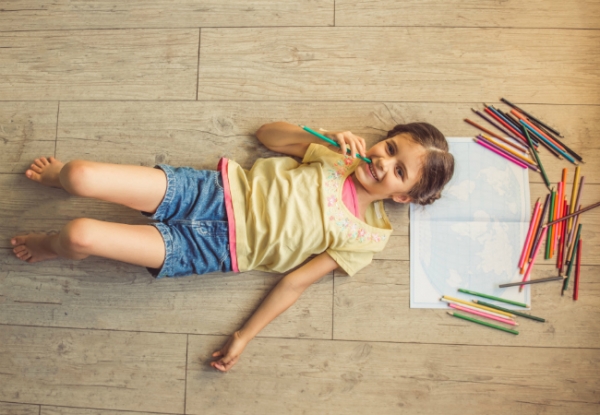
Does your child have a hobby? If not, it may be worthwhile to help him find one. Having a hobby provides loads of benefits for kids, including:
- Stress reduction
- Higher self-esteem
- Competence
- Providing bonding time with family or friends
- Learning self-discipline
- Learning patience
- Keepin Back to School Vibes g them entertained
- Learning goal-setting and decision making
- Physical activity
- Strengthens fine motor skills and bilateral coordination
- Acting as protective measure against destructive or unhealthy activities
- Developing critical thinking skills
- Encouraging creativity
Some children seem to effortlessly pick up a hobby. They know what they like and what they’re interested in from a young age. Other children, however, may struggle with finding a hobby they really enjoy. If your child doesn’t know what hobby interests them, try the following:
1. Make a list of your child’s interests.
2. Ask her about her likes and dislikes.
3. Test the waters. Find summer camps in sports they think they may be interested in rather than committing to a full season at first or look up classes in your area that relate to your child’s interests.
4. Follow their lead. You might have your heart set on a baseball player but he may prefer the violin. He will only find enjoyment and receive the above-stated benefits if it’s something he truly enjoys.
5. Help them to develop their hobby. Your little painter may need you to dole out some money for supplies. Some hobbies can be quite expensive, especially collector hobbies! Stay within your budget of course, but see the value in helping your child pursue her passions.
Hobbies to Explore:
Sports Hobbies
Playing sports provides the benefits of learning teamwork, practice, perseverance, resilience, and of course provides exercise and health benefits. It is, however, one of the most time consuming hobbies. Be prepared for weekday and early morning practices and weekend or evening games several days a week for the season. Equipment and uniforms can be costly as well. However, nothing quite beats the feeling of seeing your child’s practice and hard work pay off and the boost of self-confidence it brings them.
Performing Arts
The performing arts are a great way for children to boost their creativity, learn communication and self-discipline, develop interpersonal skills, and express themselves. The performing arts include acting, singing, playing a musical instrument, ballet, dance, magic, and puppetry to name a few.
Visual Arts
The importance of art in education is well documented. Simply put, art helps children develop better. Providing language development, motor skills development, inventiveness, and creative expression, your child may find interest in painting, drawing, pottery, sculpting, printmaking, photography, filmmaking, or drawing.
Collecting
From your basic rock collection to an amazing fossil collection, collecting can be a fun and interesting hobby for your child. Collecting can build observational skills and organizational thinking and can enhance social connections. The lot at the comic book stores always look like a happy, tight-knit bunch. People collect many different things for many reasons, but here are some beginner ideas: Stamps, shells, action figures, coins, comic books, trading cards, gems and minerals, and antiques. Hey, your child probably already has a good collection of fidget spinners!
Outdoor Hobbies
Spending time outdoors reduces anxiety, provides time to connect with one another and with nature, plus often provides healthy physical activity. Hiking, camping, fishing, geocaching, rock climbing, archery, and astronomy are just some of the potential hobbies your child may find interesting.