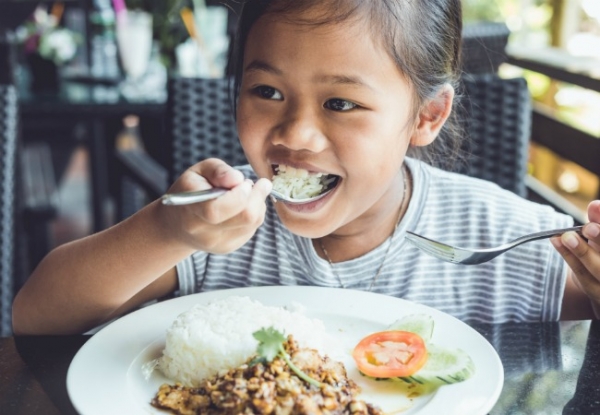
Getting kids to eat right can be a challenge. According to the CDC, childhood obesity affects about 13.7 million children and adolescents in the United States. Pediatric obesity has reached epidemic proportions which has both immediate and long-term consequences for children. These consequences are grouped into three main areas: mental, physical, and economic.
Physical Consequences of Childhood Obesity
In a recent study involving more than 43,000 children between the ages of 10 and 17, researchers from the UCLA Center for Healthier Children, Families, and Communities found links between childhood obesity and chronic conditions such as ADHD, learning disabilities, depression, allergies, asthma, ear infections, and headaches. Obese kids are also at an increased risk of developing sleep apnea, type 2 diabetes mellitus, heart attack, stroke, hypertension, and hyperlipidemia. They have a greater risk of developing bone, joint, and growth plate problems, as well as liver disease, GERD, and some types of cancer.
Mental Consequences of Childhood Obesity
Obesity takes an emotional and mental toll on the child as well. In a culture that values thinness, children as young as six may associate negative stereotypes with excess pounds. There is a social stigma attached to being an overweight child, and it can be just as damaging as the physical effects. Obese children are more likely to suffer from low self-esteem, and this lack of confidence can lead to poorer academic performance. These children are often subjected to teasing and bullying which contributes to their low self-confidence. Depression is another risk factor of childhood obesity. When children are often bullied, teased, or tormented, and when they don’t feel they are accepted by their peers, he or she may become clinically depressed and withdrawn. Some research even suggests that heavy teenagers and young adults may be less likely to be accepted into a prestigious college or land a good job.
Economic Consequences of Childhood Obesity
One must also consider the direct costs of medical office visits, tests, and services. Indirect costs include decreased productivity, increased absenteeism, and premature death. Researchers estimate that over $147 billion are spent yearly on the direct and indirect costs associated with obesity.
Nutrition Made Simple
In order to address better nutrition in my own home, I recently purchased the book Red Light, Green Light, Eat Right by Joanna Dolgoff, MD. In this simple system, foods are broken down into three categories: Green light foods, yellow light foods, and red light foods.
Green light foods are high in nutrient value and lower in fat and calories. Most green light foods contain important nutrients such as fiber or protein. Green light foods include low-fat yogurt, lean protein, and whole grain breads and cereals. Your child should have a green light food at every meal and snack.
Yellow light foods are moderately high in calories and slightly higher in fat than green light foods. Yellow light foods provide healthy nutrition but should be eaten in moderation. Examples of yellow light foods include olive oil, granola bars, ice cream, chicken nuggets, and ground beef.
Red light foods are treats that can be eaten twice a week. They are generally high in calories, fat, and sugar and don’t have many nutritional benefits. Examples include cakes, pies, fried foods, and pizza. Your child can make two pit stops per week and still maintain a healthy weight.
The plan also includes free fuel foods. These are unlimited and do not count as traffic lights of any color. All fresh and frozen fruits and vegetables are free foods except for potatoes, corn, avocados, fat free cheese, and some beans.
In the book, you’ll find recommendations for how many lights to eat per meal depending upon your child’s BMI. An example healthy eating game plan for a boys and girls ages 4-6 with a BMI of less than 17.3 includes two green lights for breakfast, one for a morning snack, four green lights for lunch, one for an afternoon snack, and four green lights for dinner. Green lights can be swapped out for yellow lights at a ratio of 2 yellow lights is equal to 1 green light. In addition, 2 yellow lights is equal to 1 red light. While the book has a database of more than 1000 foods color coded for you, it is easy to determine the color of the food by its calorie count. Green light foods have 0-100 calories. Yellow light foods have 101-200 calories. Spend a yellow plus green on 201-300 calories, and over 300 calories is a red light. The book includes proper portion sizes and plenty of healthy recipes for kid favorites like chocolate chip cookies, brownies, burritos, burgers, and soups.
Tip:
From page 14 of Red Light, Green Light, Eat Right, draw a daily calendar on a white poster board or even a simple sheet of paper and have your kids fill in their lights for each day as colored dots. After ever meal and snack, they can stick on the corresponding sticker as they use up their lights. This helps them keep track of their nutrition but also turns it into a game they’ll enjoy.
Remember to ensure your child gets at least one hour per day of physical activity in addition to proper nutrition, water intake, and sleep for a happy, healthy child.
References:
1. https://www.verywellhealth.com/the-physical-consequences-of-childhood-obesity-1095130