When my firstborn son was 3, I began using time-in with him as my highly sensitive boy found time-outs very distressing. I created a peaceful space for him which included a comfortable pillow, stuffed animal, sensory rice bin, calming glitter jar, board books, and coloring pages. His calm-down area worked great at home but I needed those same tools when I was out with my children, so I created a portable toolkit. This toolkit helped my sensitive son when he was having sensory overload or when he began to get cranky in a store or restaurant. This is a great way to reinforce what you are already doing at home and provide consistency for your child as well helping you to respond gently and lovingly in public situations where it can sometimes be difficult to do so.
Emotional regulation is a skill that children must be taught. This is why we use time-in in Positive Parenting rather than separating the child from us in time-out. During a time-in, the child is brought in close to a caring adult fulfilling her need for proximity and connection, and understanding that her brain is still immature, we guide her toward emotional regulation. With a calm-down area at home, you have all the tools at your disposal to help your child reach a state of calm, but we are often left without those tools when we are away from home.
Below is a list of items that are great for your sensory and emotional toolkit:
- Squishy Ball – A stress relief ball is the perfect addition for both calming and sensory needs. I made my own by filling balloons with playdough. I drew emotive faces on them so he could choose what he was feeling in the moment.
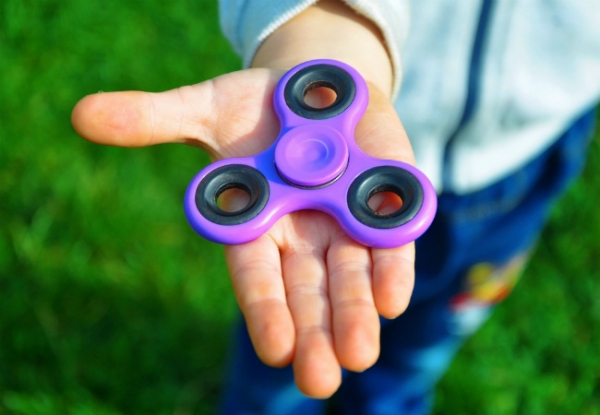
- Pencil Fidget Topper or Fidget Spinner – These tactile sensory toys are known for helping anxiety and stress levels, plus they’re just fun!
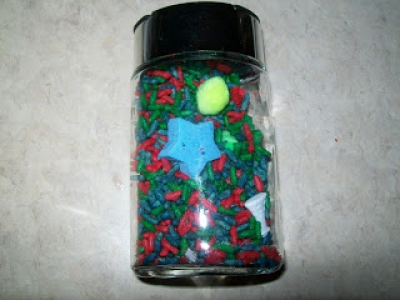
- I Spy Jar – You can purchase these pre-made, but I created my own to save a few dollars. I bought a small glass jar from my local dollar store and filled it with colored rice. I added in a few small items to “spy.” When my son was getting agitated or fidgety, I would give him this jar to shake and look for the small items, and it helped him get through the rest of the trip.
-
- Glitter Ball – This is a small travel version of the glitter jar or bottle you use at home.
- Small pad of paper and a pencil – My boys love to draw and doodle, and often this simple activity would help them through a tough moment or keep them occupied in a grocery cart.
- Soundproof headphones – For some sensory kids, noise is a big trigger. These soundproof headphones can quieten his world and help avoid a sensory meltdown.
- Sunglasses – Bright light can also be a trigger, so carry some shades if this is an issue for your kid.
- Scratch and Sniff Stickers – Engage your child’s sense of smell and provide an activity to keep her entertained or help her calm down.
- Sensory Wristbands or Soft Fabric – Have you seen the Mermaid Wristbands? They have become a very popular item in 2017 as they are calming and somewhat mesmerizing. However, a small piece of soft and comforting fabric such as velour will also provide a calming sensory experience.
- The Feelings Book – A board book that teaches emotions (or any that your child enjoys) is a helpful addition to your emotional toolkit.

- Peacemaker Cards - PeaceMakers help children and adults connect and share their thoughts, ideas, and feelings in daily, playful ways.
I carried my toolkit in a small sandwich bag in my purse and we used it many times when my children were younger. Snap a photo of your portable sensory and emotional toolkit and tag me on Instagram @rebeccaeanes.