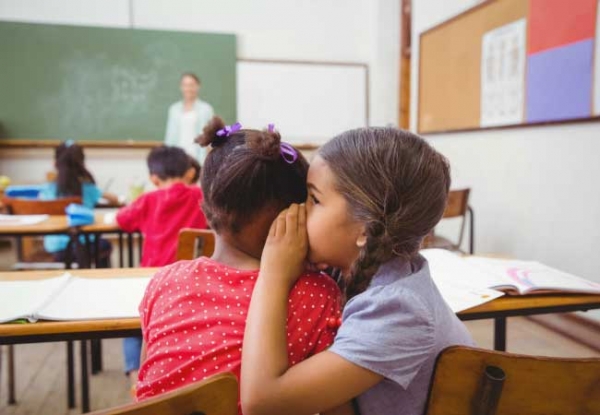
Peer pressure is one of the most formidable struggles in a young person’s life. Kids — and adults — will succumb to peer pressure because the prospect of facing humiliation, rejection and alienation seems worse than compromising their values, and even their safety. The innate human desire to belong and feel accepted will drive most kids to do just about anything. Standing up for what you believe in and going against the grain during a time in your life when you’re vulnerable and seeking affirmation from peers requires enormous courage.
Finding ways to build a child’s self-confidence and will power to fight peer pressure requires the love and support of a village, not to mention some preparation. Plus, every child has different needs; some inherently possess the need to belong more than others. How you meet these needs must be assessed on a per child basis. The good news is that there are ways to help your child make smart independent decisions. Here are some ways to help your child fight peer pressure.
1. Discover your child’s love language.
Having confidence is a great weapon when it comes to fighting peer pressure. Confidence takes on many shapes, from loud and boisterous to quiet and reserved. But all confidence comes from being loved. In order to create a safe shelter from the storm, it’s important to find out what your child’s love language is. Author Gary Chapman categorizes the love languages into physical touch, words of affirmation, quality time, gifts, and acts of service.
There’s a good chance you’re meeting your child’s love language and even grazing all five categories, but learning what your child’s specific love language is will help create a much more intimate and fulfilling bond between you and your child. Pay attention to what sparks your child. Is it when you play with him (quality time)? Or is it when you prepare a warm meal (acts of service)? Or perhaps it’s when you tell your child how valued and proud of her you are (words of affirmation)? Meeting your child’s love needs is a great way to build confidence. To help you get started, here are 50 ways to love a child in their love language.
2. Don’t rescue your child from loneliness.
Many times, kids succumb to peer pressure because they would rather belong than stand alone. Learning to deal with loneliness is hard but necessary if your child will one day withstand peer pressure. This muscle is difficult to flex if no prior exercise has been done, though.
Watching your child be excluded from an activity or a group of friends may be one of the hardest things to watch or hear about, but exclusion is a part of life. It happens to everyone no matter who you are. So the next time your child is left out at school or on a playdate, don’t be so quick to rescue him. The best place, in fact, to endure isolation may be on a playdate when a parent is present. Even if you don’t rescue your child, they’ll have the comfort of knowing that at least mom or dad’s in the other room.
3. Don’t put all of their friends in one basket.
Encourage your child to make more than one group of friends through activities outside of school or in other community settings. That way, if taking a stand means losing a group of friends, he’ll have other friends to reach out to.
4. Help your child find an adult friend.
Despite the proliferation of technology, our youth culture is increasingly more isolated. Kids these days don’t have the sort of connection they need from adults around them. In his book, “The We Generation,” Dr. Michael Ungar reveals that having a connection with at least one caring adult or role model, other than a parent, has helped children become more resilient. For more on this topic, read 9 Life Skills Every Child Should Learn.
5. Nurture a talent.
Developing a skill or a talent is a great way to build self-confidence. Not to mention that it gives your child a constructive outlet. Whatever that outlet is, whether it’s sports, music or crocheting, your child will also likely form a community of friends through the activity. Resisting peer pressure is also about having a healthy self-concept. If your child can feel good about herself by nurturing a skill or talent, your child will not only have one more armor against peer pressure, but they’ll have one more way to offer something to the world one day.
6. Anticipate peer pressure.
Talk to your child about the challenges he may face from friends who pressure him into doing something he doesn’t like. One way to help our children anticipate the pressures they will face is to help them decide in advance. For example: "A group of friends decide to steal. What would you do?"
7. Applaud your child's good choices.
When your child does make the right choice, take notice and applaud him for it. Receiving affirmation from parents provides the reassurance that he’s made the right choice and encourages him to do the same next time.
8. Teach as you go.
With a force as pervasive and powerful as peer pressure, mistakes are expected. When, not if, your child does succumb to peer pressure, gently discuss what went wrong. As you deal with these failures, remember that some good testing of convictions is exactly what you want to occur when your child is young enough to still guide, correct and instruct.