The first step in teaching children how to manage their emotions is learning to manage our own. If adults are easily upset and thrown off balance, their children will usually follow suit. Growing ourselves may be the hardest part of parenting. Many of us are simultaneously learning new skills and trying to teach them to our children.
In The Newbie’s Guide to Positive Parenting, I discuss the importance of owning our feelings and actions in chapter 6 and list several tools parents can use to calm their own upsets. I’ll share a few of these below:
- Choose a mantra to repeat to yourself (or out loud) when you are angry. Examples are “I’m capable of remaining calm” or “I am safe; there is no emergency.” I find it helpful to repeat the beginning of a children’s book I always read to my children when they were very little. This brings back feelings of warmth and calm for me.
- Do something physical. Splash cold water on your face. Jog in place. Put on some music and dance. Get outside for fresh air.
- If you feel the need to yell, use a loud, silly voice or make a “toot toot” noise while cupping your mouth with your hands. Don’t worry about looking silly to your kids. They’d rather see you look silly than look scary.
Practicing these steps when you are angry is a great way to teach your child emotional intelligence; they learn primarily through what we model for them. While anger is the tough emotion many parents ask for help in dealing with, both for themselves and their children, feelings of worry, sadness, and many more difficult feelings need to also be managed. Below is a list of ways to calm an upset child (and yourself)!
Because everyone needs something a little different to calm with, choose which works best for your unique child. By teaching your child these skills, her emotional intelligence will grow as she learns to manage her emotions and her behaviors.
For Calming Anger:
- Balloons stuffed with play-dough are fun to squeeze and a great way to release frustration. There’s a tutorial here at Somewhat Simple.
- Calm down jars are a very popular tool to calm children’s brains. Watching the glitter swirl and settle is soothing and shifts the brain out of fight, flight, or freeze and back to calm. You can find the instructions here at Instructables!
- Hug it out. A simple hug can go a long way.
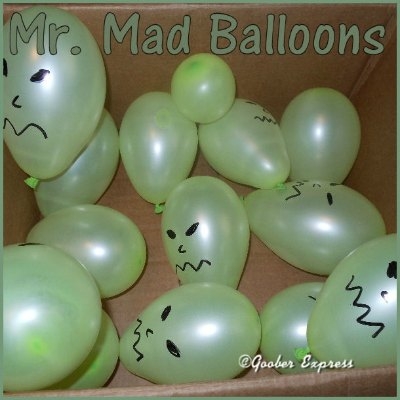
- Mr. Mad Balloons are balloons with angry faces drawn on them that children can pop when they are angry. You can tell the child to pop the Mr. Mad Balloons and watch the anger deflate.
- Breathing strategies are beneficial for calming and resetting the mind. Meaningful Mama suggests teaching your child to blow out their fingers like candles.
- Jumping jacks are a good way to release the energy flooding the body with intense emotion.
- Use a visual chart that says “When I’m angry, I can…” and paste photos of your child doing a number of the activities listed here. Point your child to the chart when needed.
- Create a calm down area filled with comforting items, like the one I talked about in this post.
- Ask the child to draw a mad face on a piece of paper, and then let him rip it apart and throw it away.
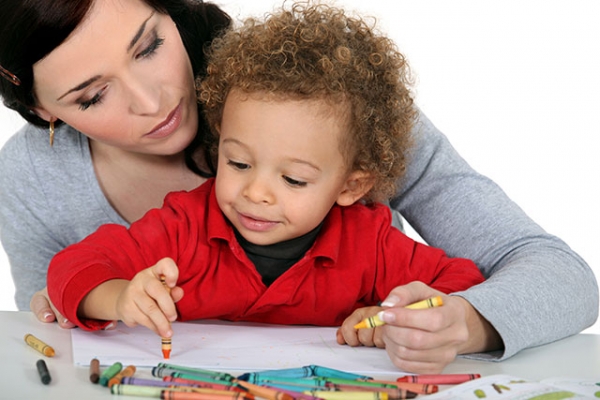
- Hand her a coloring book and some crayons.
- Offer a back rub. The children especially whose love language is touch will be soothed by a simple back rub.
- Create a busy center. This is much like the calm down area but with simple activities to busy the body and mind, such as putting pom poms through holes in a cardboard box, sorting cups, or busy boards like this one from Melissa and Doug.
- Make them laugh! Humor diffuses anger, so when you see frustration building in your child, do or say something funny. This shouldn’t be used if the child is already really upset, but it’s a good trick to diffuse frustration before it builds too high.
- Let them draw. You could cut a coloring page in half and paste it to a sheet of plain white paper and ask the child to draw the other half.
For Calming Worry:
- Worry Peg Dolls can be helpful for children who have anxiety or a tendency to worry about things. Tell these little dolls all your worries and then place them under your pillow.
- Create an anti-anxiety kit like this one from The Chaos and the Clutter.
- Worry Eaters are cute plush critters with zipper mouths. Have your child write down their worries and then feed them to the Worry Eater.
- One Creative Elementary School Counselor keeps a box of worry stones. She says the idea is that, when you rub a stone, it will help your worries go away. Really, just fidgeting with the stone, feeling its smoothness and rolling it over and over in your hand, calms the brain.
- Give your child a Worry Box like the one shared by NSPT. A worry box is a cognitive-behavioral therapeutic approach to dealing with worry.
- Teach your child to use positive self-talk. They mostly learn this from hearing you use positive self-talk! Say things like “It’s okay to make mistakes. Everyone does.” “I’m not perfect, but I’m good enough!”
- Think of solutions together. Teach your child to work through those feelings of worry by looking for a solution. For example, if he’s worried about a test he has to take, brainstorming solutions on how to prepare for the test will help alleviate the worry.
For Calming Sadness:
- Tell your child about a time you felt sad. Did it last forever? What did you do? Just sharing your experience with sadness will help your child feel that she’s not alone.
- Read a children’s book about sadness. Here are some suggestions.
- Let them cry. Just be with them without trying to talk them out of the sadness. Sometimes, we just need to get it out.
- Exercise, like running, dancing, or going for a walk releases the “feel good chemicals” that counteract sadness.